
Youth in the country have been urged to seek knowledge, and hands-on skills and love work in order to fit in the highly competitive labour market.
“You can’t do a good job if you don’t have the right knowledge and skills and love for it. Work hard and don’t fear to take risks. Start today,” said Jerome Gasana, the director general of the Workforce Development Authority (WDA).
Ikigo cy’Igihugu cy’Ibarurishamibare, NISR, kigaragaza ko hifashishijwe ubushakashatsi butandukanye n’ubusanzwe mu gupima uko isoko ry’Umurimo rihagaze mu gihugu, Labour Force Survey (LFS) 2016, impuzandengo y’ubushomeri ari 13.2%.
Ubu bushakashatsi bw’igerageza bwakozwe muri Gashyantare 2016 kuko ubwimbitse buzaba muri Kanama uyu mwaka, bwerekanye ko abari ku isoko ry’umurimo mu gihugu ubariyemo abafite akazi n’abatagafite ari 49.3%, muri bo 58.1% ni abagabo naho 41.5% basigaye ni abagore.
KIGALI – What value does the digital economy provide Africa? The largest technology companies all have strategies for getting their products into African markets, but few have plans to provide what Africans truly need: jobs in the economy of the future.
A technology scene is starting and you should be part of it. Here's why.
Young, forward-thinking entrepreneurs such as myself have an opportunity and an obligation to advance economic and human development throughout Africa. Our continent is poised for great social and technological advances. These advances are dependent upon harnessing the continent’s immense economic potential. As business leaders, we can serve as catalysts for such change.
Business for development is a celebrated concept these days. Those with a commercial interest and an eye for development more recently have moved away from microcredit or microfinance and are now looking towards impact investing, entrepreneurship and social enterprise creation.
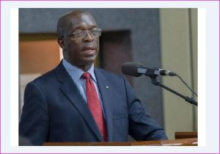
Prime Minister Anastase Murekezi has said unemployment has become a global challenge that requires joint efforts from all nations.
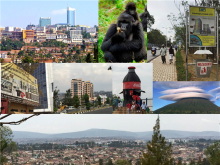
In mid-2014, the World Bank’s Competitive Cities team visited Kigali, Rwanda, the only national capital among our six case studies of economically successful cities around the world, representing the Sub-Saharan Africa Region. Kigali and Rwanda as a whole have enjoyed some of the continent’s fastest growth rates, in terms of both jobs and incomes, albeit from a comparatively low starting point. We aimed to understand the factors and specific interventions underpinning this success and to extract some lessons for other cities.
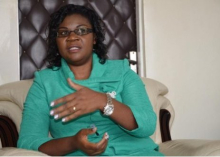
U Rwanda rwatangije uburyo bushya bwo gusaba akazi no kukabona hakoreshejwe ikoranabuhanga (E-Recruitment), bikazakoreshwa mu bakozi ba Leta ndetse bikaba byatangiye gukoreshwa muri Minisiteri y’Abakozi ba Leta n’Umurimo.
Ubu buryo buri muri gahunda ya guverinoma yo gushyira ingufu mu kunoza imitangire ya serivisi mu nzego za leta.
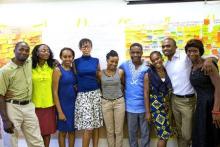
Mu bihe byashize umuntu warangizaga amashuri yisumbuye yabaga afite amahirwe menshi yo guhita abona akazi, urangije kaminuza we rwose akaba ashakishwa.Nyuma y'umwaka wa 2000 ibintu byarahindutse bigeze 2010 ho birushaho, kuko imirimo yabaye micye ku buryo bugaragara. Izo mpinduka zikomeje kugira ingaruka nyinshi ku rubyiruko ruhora rwibaza ukwo rwakwivana mu bibazo birwugarije,
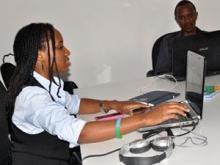
Ahantu henshi mu mashuli usanga abahungu aribo bitabira gukoresha ikoranabuhanga, ariko mu Rwanda ho bimaze kugaragara ko n'abakobwa basigaye babyitabira ndetse bakageraho naho bagera ku rugero ndashyikirwa.